R&M Sheetmetal Nowra Metal Roofing
Insulation & Ventilation in the Shoalhaven
- Custom Fabrication Experts
- Trusted Metal Roofing Supplier
- 75+ Years’ Combined Experience
Request a Call Back
Contact Us
Thank you for contacting R&M Sheetmetal Nowra Metal Roofing.
We will be in touch soon.
Oops, there was an error sending your message.
Please try again later.
Better Comfort Through Insulation
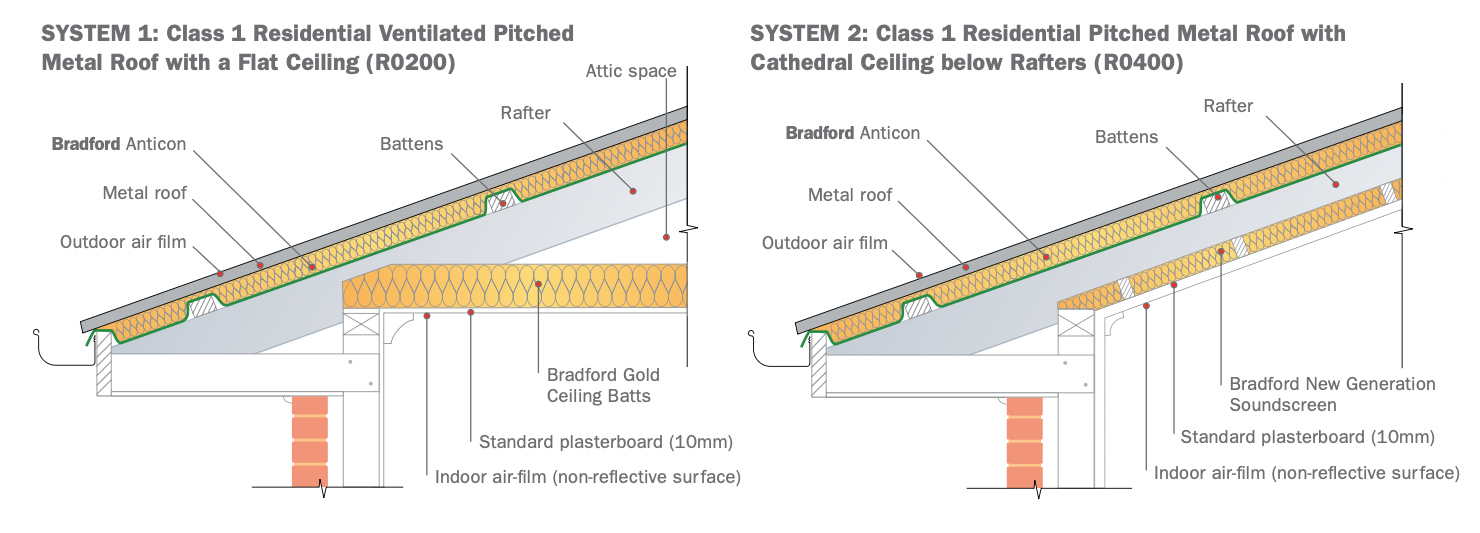
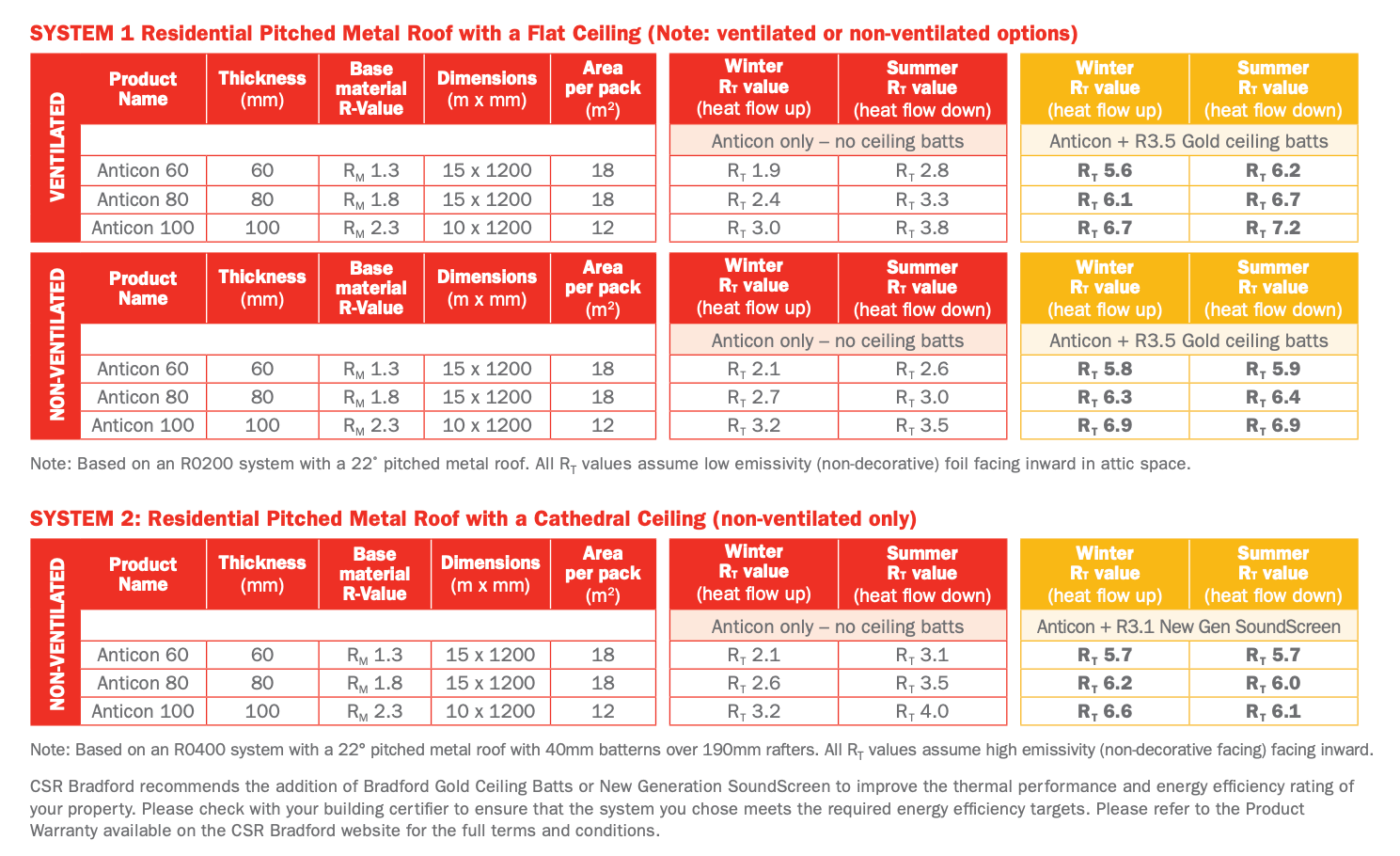
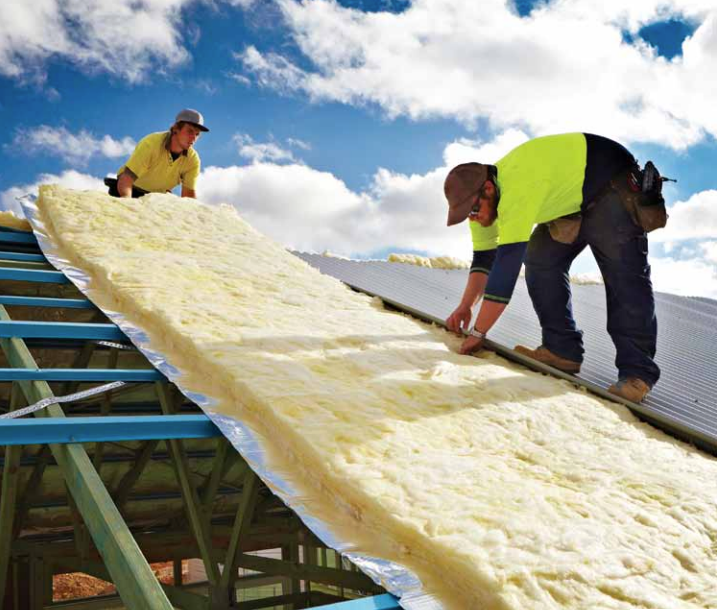
Installing Bradford Anticon roofing blanket under your roof will enhance the performance in a number of ways, including excellent acoustic performance, reducing noise from aircraft or heavy rain. With its snug fit against the metal roofing, Anticon helps to control temperature variation, which reduces metal noise caused by sudden temperature change. Anticon also has exceptional thermal performance keeping your home cooler in summer and warmer in winter, which in turn will result in lower energy costs.
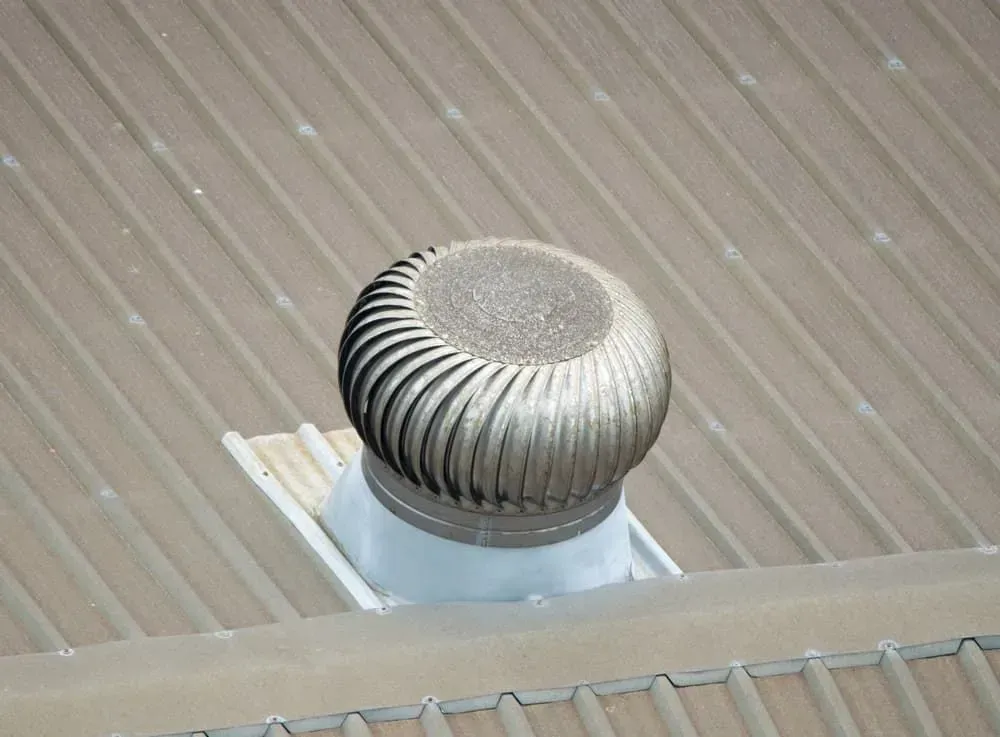
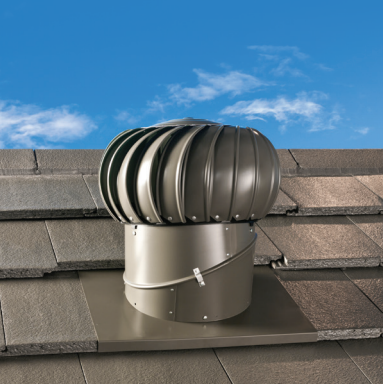
Combing Anticon roofing blanket with a Bradfords roof vent from the WindMaster™ or Supavent range can create even higher levels of thermal and acoustic performance and condensation control.
Bradfords Roof Blanket
BUILD IN THE ANTICON ADVANTAGE
Custom Ventilation Components
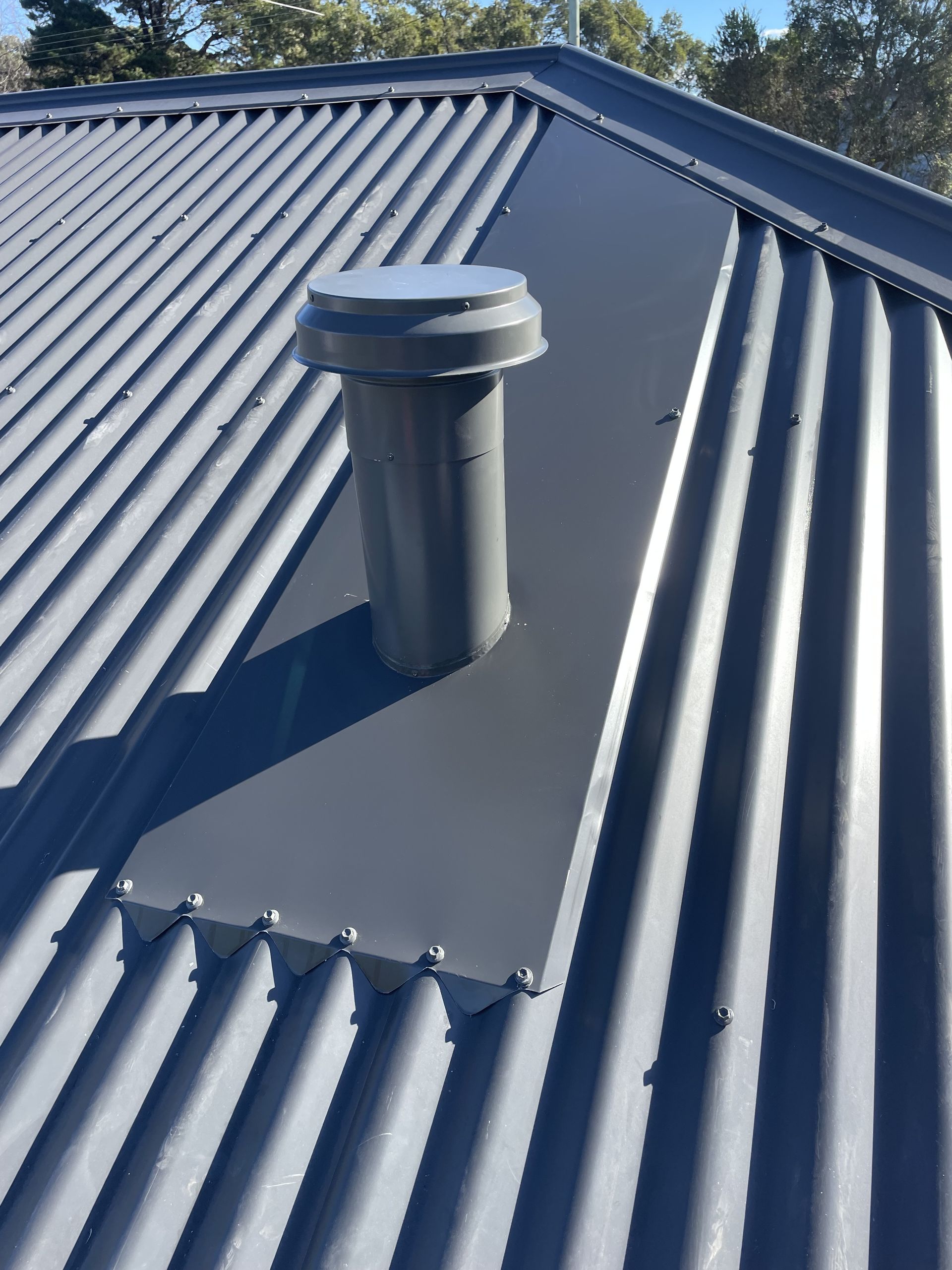
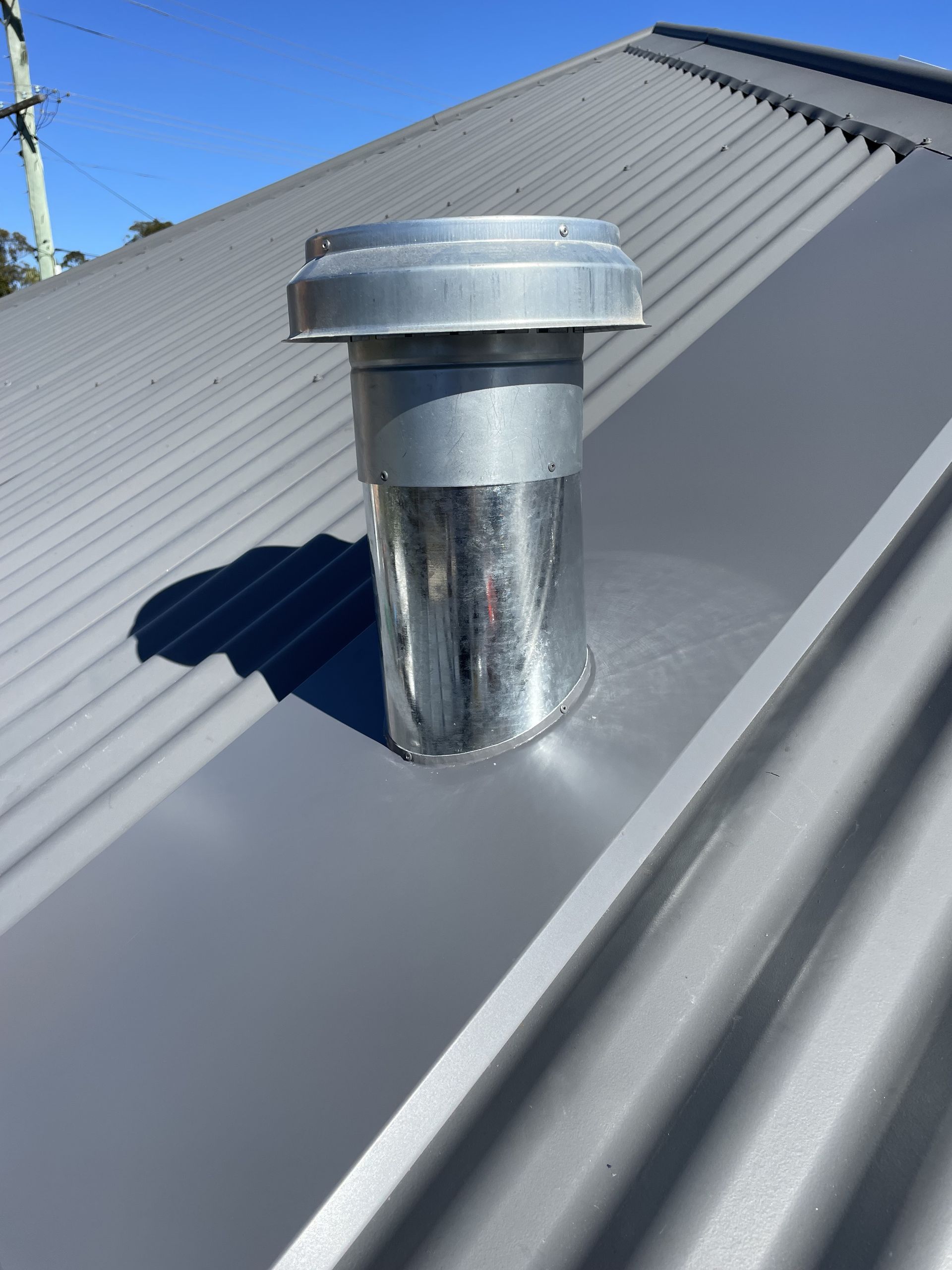
At R&M Sheetmetal Nowra Metal Roofing, we supply custom ventilation components across Nowra and the Shoalhaven region, providing homes and businesses with the tools they need to improve airflow, regulate temperature, and support healthier indoor environments.
Reach out on (02) 4421 0054 to learn more about our ventilation supplies and how we can help you get the right parts for the job.
Bradfords Powered Ventilation
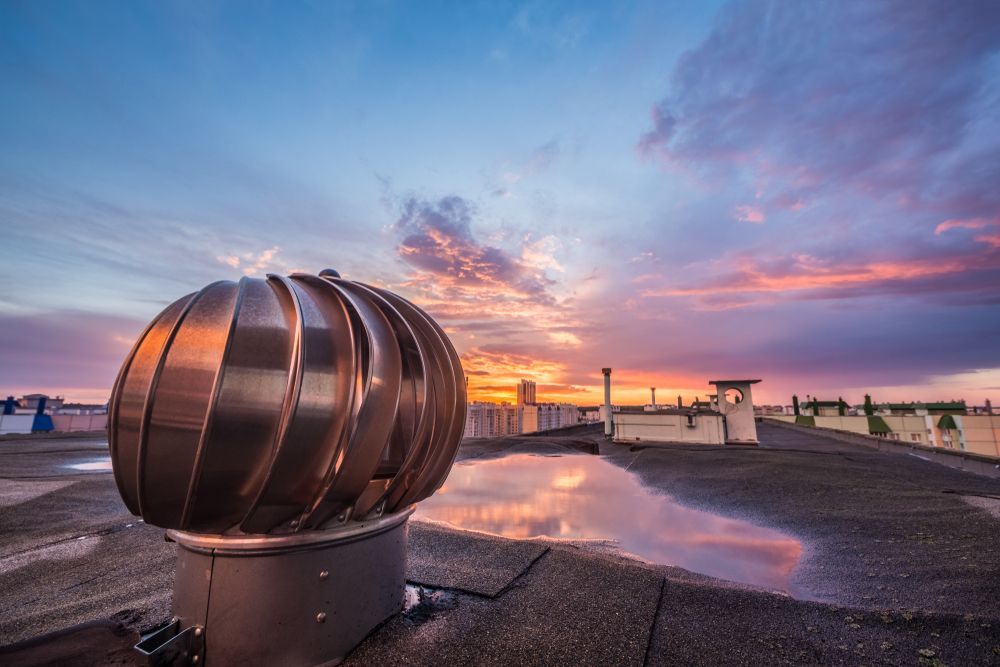
WindMaster™ Benefits
- HEAT REDUCTION
Removes heat and replaces with cooler, outside air without the use of electricity. - CONDENSATION MANAGEMENT
Reduce the risk of condensation-related damage to your home. - PEACE OF MIND
Australian made & tested to AS/NZS 4740.
Product Specifications
| Materials: | Aluminium turbine, varipitch & flashing |
| Varipitch Diameter: | 300mm |
| Product Weight: | 1.90kg |
| Applications: | Suitable for metal or tile roofs |
| Wind Speed Rating: | 205 km/hr |
WindMaster™ Product Specifications
| Product | Materials | Size | Ball Bearings | Weight | Application |
|---|---|---|---|---|---|
| WindMaster™ | Aluminium | 300mm opening | High carbon chromium steel ball bearings | 1.9kg | Residential homes |
| WindMaster BAL™ | Aluminium | 300mm opening | Double stainless steel bearings | 2.2kg | Residential homes in bushfire zones up to BAL40 |
| SuperBeam | UV stable polymer | 250mm opening | Stainless steel ball bearings | 1.9kg | Residential homes near coastal areas |
| TurboBeam | UV stable polymer | 250mm opening | Stainless steel ball bearings | 1.9kg | Residential homes near coastal areas, sheds, garages or workshops |
| Roof Valve BAL | Aluminium | 150mm opening | N/A | 0.8kg | Wet areas: bathroom, kitchen & laundry |
| Roof Valve | ASA polymer head & aluminium flashing | 150mm opening | N/A | 0.8kg | Wet areas: bathroom, kitchen & laundry |
| General Purpose Vent™ | ASA plastic head with steel shaft | 124mm opening | High carbon chromium steel ball bearings | 0.4kg | Variety of vehicle types and stationary locations |
| TurboVentura | ASA plastic head with aluminium shaft, varipitch & flashing | 150mm opening | High carbon chromium steel ball bearings | 1.2kg | Small garages & sheds |
| Sewer Vent | UV stable polymer | 150mm opening | Stainless steel bearings | 1.2kg | Sewer systems, pits & drains |
| PolyEave Vent | ASA polymer | 418mmL x 220mmW | N/A | 0.17kg | Residential homes in non-BAL areas |
| Metal Eave Vent | Aluminium frame with stainless steel mesh | 418mmL x 220mmW | N/A | 0.3kg | Residential homes for bushfire zones up to BAL40 |
| WhirlyMate | ABS plastic | 352mmL x 352mmW | N/A | 0.9kg | Residential homes |
| Round Ceiling Grilles | ABS plastic | Available in 4 sizes -150mm, 200mm, 250mm, 300mm | N/A | 0.43kg, 0.68kg, 1.04kg, 1.45kg | Residential homes |
| ABS plastic | 207mm x 207mm | N/A | 0.3kg | Residential homes for toilet areas |
Supavent Benefits
- HEAT REDUCTION
Removes heat and replaces it with outside air without the use of electricity. - CONDENSATION MANAGEMENT
Reduce the risk of condensation-related damage to your home. - SALT SAFE
Suitable for coastal homes with direct contact with sea spray.
Product Specifications
| Materials: | ASA plastic turbine, aluminium varipitch and flashing |
| Throat Diameter: | 250mm |
| Product Weight: | 2.0kg |
| Applications: | Suitable for metal or tiled roofs |
| Wind Speed Rating: | Up to 205km/hr* |
*As per AS/NZS 4740
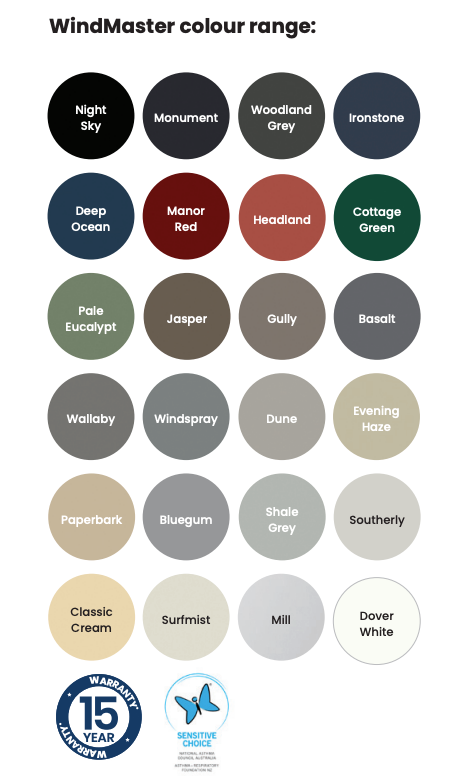
Supavent Colour Chart
Grey
Ocean
Red
Green
Eucalypt
Grey

Locations We Service
Frequently Asked Questions
Why is roof ventilation important in homes and buildings?
Roof ventilation plays a critical role in regulating indoor temperature, preventing moisture build-up, and extending the life of roofing materials. In summer, proper ventilation helps release hot air trapped in the roof cavity, reducing the strain on air conditioning systems and lowering cooling costs. In winter, it helps prevent condensation, which can lead to mould, mildew, and rot.
Without ventilation, trapped moisture and heat can also damage insulation, ceiling plaster, and even structural timbers. Common ventilation options include whirlybirds (roof turbines), ridge vents, and solar-powered ventilators, which operate without electricity and improve air circulation year-round.
What is the best type of insulation for Australian homes?
The best insulation for Australian homes depends on the climate zone and the part of the home being insulated (roof, walls, or floors). In most cases, bulk insulation such as glass wool (fibreglass), polyester, or rock wool batts are effective for ceilings and walls because they trap air in millions of tiny pockets, slowing down heat transfer.
For reflective heat protection, particularly in warmer regions, foil-faced insulation (like sarking) can also be added under roofing to reduce radiant heat. The most suitable insulation will have a high R-value, which indicates its thermal resistance. For colder climates, a higher R-value is ideal. Choosing the right insulation ensures year-round comfort and helps reduce heating and cooling costs.
Can I install insulation and ventilation at the same time?
Yes, insulation and ventilation can and often should be installed together to maximise energy efficiency and indoor comfort. Insulation works by slowing down heat transfer, while ventilation helps regulate air movement and remove excess heat or moisture. Installing both systems ensures the roof space remains cool and dry in summer and warm and condensation-free in winter.
Coordinating these installations can also reduce labour costs and prevent the need to disturb finished ceilings or roof structures later. It’s important to ensure that the ventilation does not compromise the performance of the insulation—proper placement and installation are key.