R&M Sheetmetal Nowra Metal Roofing
Guttering in Shoalhaven
- Custom Fabrication Experts
- Trusted Metal Roofing Supplier
- 75+ Years’ Combined Experience
Request a Call Back
Contact Us
Thank you for contacting R&M Sheetmetal Nowra Metal Roofing.
We will be in touch soon.
Oops, there was an error sending your message.
Please try again later.
Shoalhaven Guttering
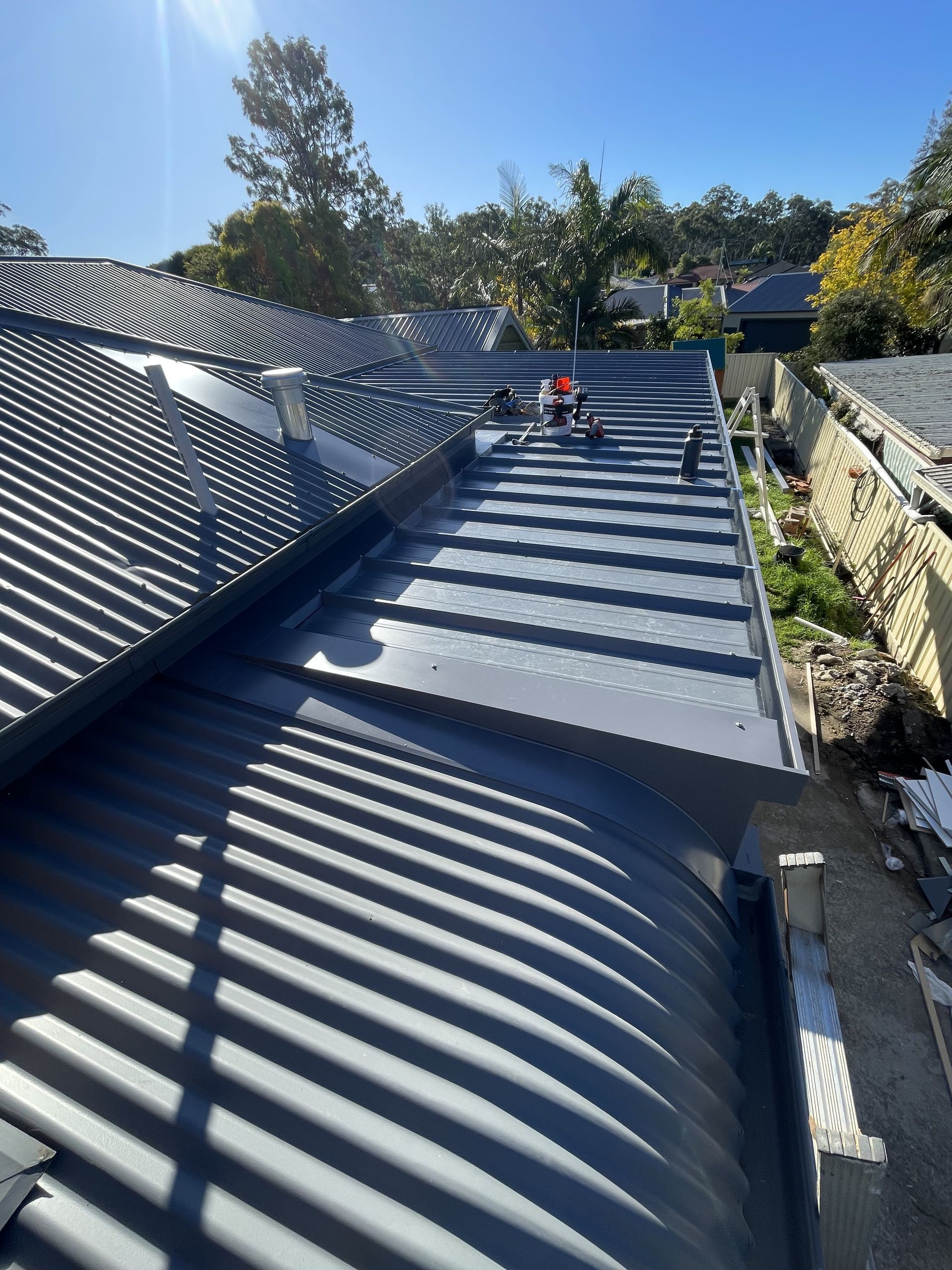
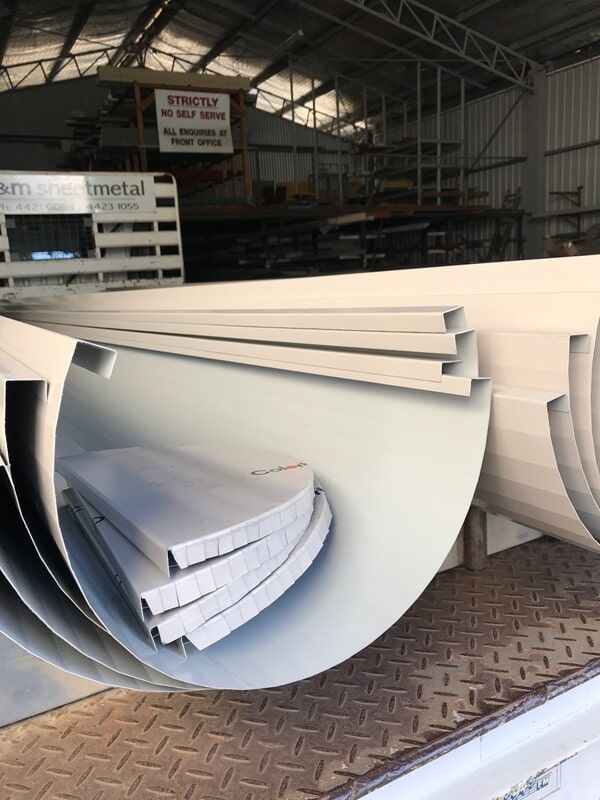
If you’re dealing with overflowing eaves or planning a new build, having the right guttering setup is essential. At R&M Sheetmetal Nowra Metal Roofing, we custom-fabricate high-quality rainwater solutions to help homeowners and businesses across Nowra and the Shoalhaven region manage water efficiently and safely.
Whether you need new gutters, downpipes, or a complete rainwater harvesting system, we’ll create it to fit your structure perfectly. Using top-grade materials and CNC machinery, we make sure every gutter system we build offers smooth flow, long-term durability, and a clean finish that suits your building’s look.
With so many rooflines and building styles out there, off-the-shelf options don’t always cut it. That’s where we come in—designing guttering systems that match your roof and meet local rainfall demands. Give us a ring on (02) 4421 0054 and we’ll get things flowing properly again.
Custom Rainwater Management Solutions
Our rainwater systems go beyond just gutters. We also supply and fabricate downpipes, flashings, rainheads, and other components needed for a complete setup. At R&M Sheetmetal Nowra Metal Roofing, we specialise in the reliable supply of high-quality sheet metal products to support residential, commercial, and industrial projects across Shoalhaven.
Based in Nowra, we stock and supply a wide range of roofing and cladding materials, ducting, brackets, rainwater components, and custom-fabricated metal parts—ready to meet your exact specifications. We work with a range of materials, including Colorbond® and stainless steel, depending on your aesthetic goals and the conditions your property faces.
If you're not sure what you need, just ask—we'll guide you through the best options. Reach out today and let’s keep the rain where it should be.
Locations We Service
Frequently Asked Questions
What is the best type of guttering for Australian homes?
The best type of guttering for Australian homes depends on your location, roof design, and environmental conditions. In most cases, Colorbond® steel is considered one of the top choices due to its durability, corrosion resistance, and suitability for harsh weather. In coastal areas, materials that resist salt corrosion—like pre-painted steel or aluminium—are ideal.
Box gutters are commonly used in modern architectural designs, while quad or half-round gutters are often seen on traditional homes. It’s important to also consider the size and shape of the gutter, as this impacts how much water it can handle during heavy rainfall. Consulting with a supplier or trade professional can help determine the right fit for your home.
How much rainwater can I collect from my roof?
The amount of rainwater you can collect depends on the size of your roof and the average rainfall in your area. As a general rule, for every 1mm of rainfall, you can collect about 1 litre of water per square metre of roof area. For example, a 100m² roof in an area that receives 1,000mm of rain annually could theoretically collect up to 100,000 litres of water per year.
However, actual collection may be lower due to system losses from evaporation, leaks, or overflow. Using appropriate guttering, downpipes, and a properly installed rainwater tank system can maximise collection and help manage water sustainably.
What’s the difference between downpipes and gutters?
Gutters and downpipes are both essential components of a rainwater drainage system, but they serve different functions. Gutters are the horizontal channels installed along the edge of your roof to catch and direct rainwater as it runs off.
Downpipes are the vertical pipes connected to gutters that carry the collected water down to the ground, where it can be directed to a stormwater drain, rainwater tank, or garden.
Without properly sized and installed downpipes, gutters can overflow during heavy rain, causing water damage to your roof, walls, and foundations. Together, these two components protect your property by managing water flow effectively.